
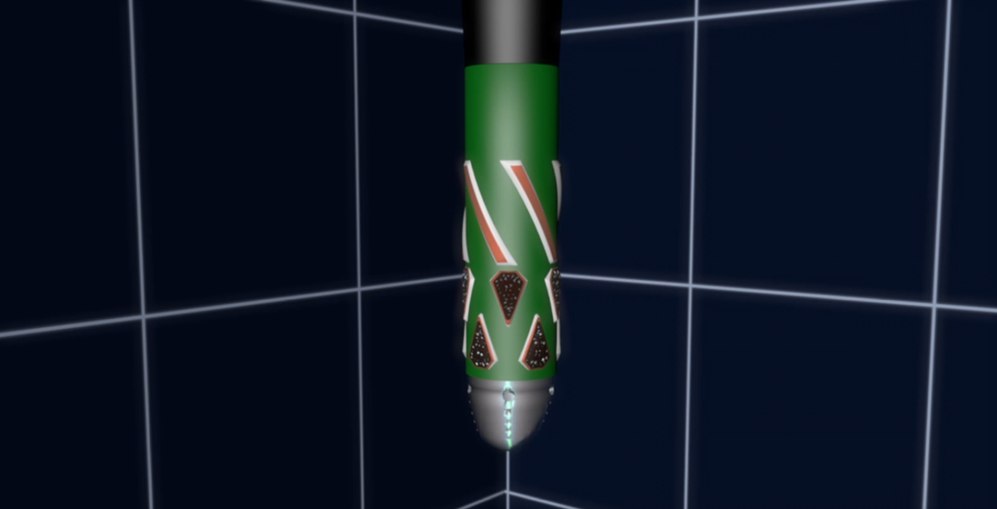
In more than 15 years manufacturing cementing accessories at Saga-PCE, our engineering team has seen how a small piece of float equipment at the bottom of the string can decide whether the casing lands at TD on the first attempt or triggers a chain of remedial operations that eat days of rig time.
Selecting the right float equipment oil and gas solution becomes essential to maintain operational efficiency and protect the integrity of the casing string.
Among the specialized components available, the casing reamer shoe plays an important role. Instead of simply guiding the casing into the well, it actively helps the casing string pass through restrictive sections by reaming away minor obstructions as it advances. This reduces the risk of getting stuck, minimizes costly delays, and helps you reach the intended casing depth with greater confidence.
At Saga-PCE, you have access to engineered float equipment designed for demanding drilling environments. From conventional float shoes to specialized reamer shoe solutions, every component is developed to support safer, more reliable casing operations across a wide range of well conditions.
Key Takeaways:
- A casing reamer shoe combines float equipment functionality with external cutting features that ream away minor obstructions such as ledges, doglegs, keyseats, and tight spots while running casing, reducing stuck pipe risk and helping the string reach target depth.
- Unlike conventional float shoes that only guide casing, reamer shoes actively enlarge restrictive sections through integrated cutting structures while maintaining backflow prevention and cementing support through internal check valves.
- Reamer shoes prove particularly valuable in deviated wells, formations with varying hardness that create ledges, swelling shale sections, and directional wells with doglegs where increased drag threatens successful casing installation.
- Selecting the right reamer shoe requires evaluating well profile, formation characteristics, casing program specifications, and cementing requirements to match equipment capability with anticipated downhole challenges.
Table of Contents
What Is a Casing Reamer Shoe?
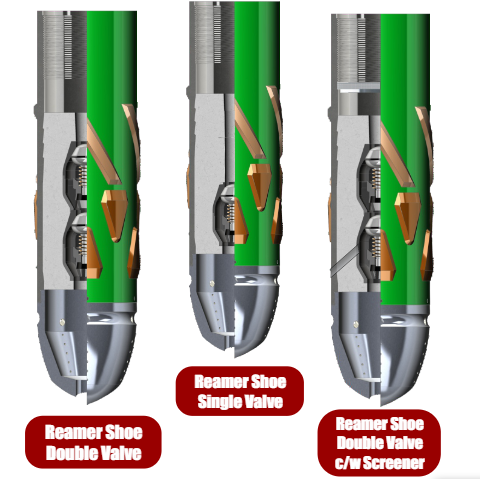
A casing reamer shoe is a specialized type of float shoe fitted with external cutting or reaming features around its nose. These cutting structures are designed to enlarge or clean the wellbore slightly as the casing string is lowered into position.
Unlike a conventional float shoe, which mainly guides the casing and provides a landing point at the bottom of the casing string, a reamer shoe performs an additional mechanical function. It helps remove minor obstructions that could otherwise prevent the casing from reaching total depth.
Although it performs light reaming during casing installation, it is not intended to replace dedicated drilling or hole-opening tools. Instead, it provides additional insurance when the wellbore contains isolated restrictions that remain after drilling and conditioning.
Where the Reamer Shoe Sits in the Float Equipment Family
Float equipment is a family of components fitted at the bottom of a casing string, not a single item. The full lineup typically includes:
- Guide shoe: the simplest form, providing a rounded nose to guide casing past minor obstructions. No check valve.
- Float shoe: guide shoe plus an internal check valve to prevent backflow of cement and wellbore fluids.
- Float collar: installed one or two joints above the float shoe, providing a secondary check valve and a landing point for cementing plugs.
- Reamer shoe: float shoe plus external cutting or reaming features that address wellbore restrictions during casing running.
Understanding the position of the reamer shoe within this family clarifies where it adds capability, and where a simpler float shoe or standard float collar is the more economical choice.
Why Tight Hole Conditions Occur
Even with careful planning and effective drilling practices, wellbores rarely remain perfectly smooth from surface to target depth.
Several conditions can create restrictions during casing running, including:
- Formation ledges created by varying rock hardness
- Doglegs caused by directional drilling
- Keyseats formed by drill pipe wear
- Minor wellbore collapse
- Swelling shale formations
- Cuttings accumulation
- Filter cake build-up
- Washouts that create uneven borehole geometry
These conditions increase friction between the casing and the wellbore. As drag rises, the likelihood of becoming stuck also increases, especially in extended reach or highly deviated wells.
Instead of forcing the casing through these sections, which can damage both the casing and cementing equipment, a casing reamer shoe helps remove small restrictions as the casing advances.
How a Casing Reamer Shoe Works
The reamer shoe combines two important functions into a single assembly.
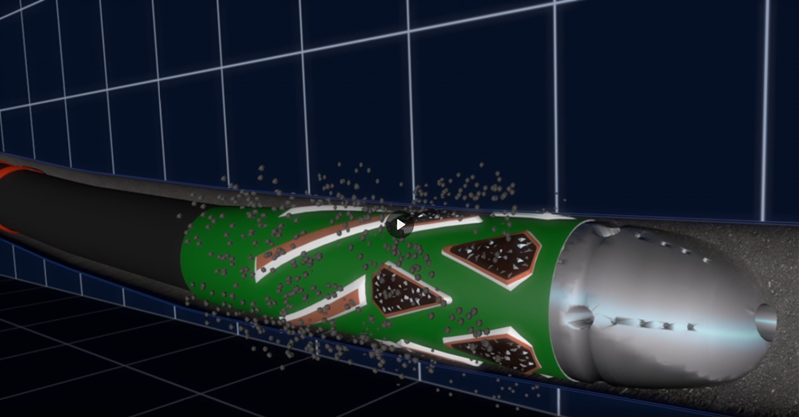
First, the reaming profile at the front of the tool gently cuts, scrapes, or enlarges minor restrictions encountered while running casing.
Second, the integrated float equipment continues to perform its primary role by providing:
- Positive guidance into the well
- Backflow prevention through the internal check valve
- Improved cement placement after casing reaches depth
- Protection against cement returning into the casing
Because both functions are integrated into one assembly, you avoid adding unnecessary complexity to the bottom-hole assembly while improving the chances of successfully landing casing on the first attempt.
Operators who specify reamer shoes as a default for extended-reach and horizontal wells report meaningfully fewer NPT hours from stuck casing than those who wait to specify one only after a running problem occurs on offset wells. Preventive specification consistently outperforms reactive specification on total well cost, even when the unit price of the reamer shoe is slightly higher.
Common Well Conditions Where Reamer Shoes Add Value
Not every well requires a reamer shoe. However, certain drilling environments benefit significantly from this specialized equipment.
Ledges
Formation changes can leave small steps or ledges along the wellbore wall. These may seem insignificant during drilling but can prevent larger-diameter casing from passing smoothly.
The cutting profile of a reamer shoe gradually removes these obstructions without requiring excessive running force.
Two design details separate reamer shoes that clear ledges cleanly from ones that hang up on them: the aggressiveness of the cutter dressing and the profile geometry at the shoe nose. In our manufacturing experience, tungsten carbide cutter dressing on a tapered nose profile produces the most consistent field performance across mixed-hardness formations, which is why Saga-PCE’s standard reamer shoe range is built to this specification.
Doglegs
Directional wells often include changes in inclination or azimuth. Even when these changes remain within planned limits, they can increase casing drag considerably.
A reamer shoe helps guide the casing through these transitions while reducing the likelihood of hang-ups.
Tight Hole Sections
Some formations naturally close slightly after drilling due to swelling, stress changes, or poor hole stability.
In these situations, the reamer shoe restores enough clearance for the casing string to continue moving without excessive resistance.
Keyseats
Continuous drill pipe rotation can create narrow grooves in softer formations.
These grooves may trap larger casing connections during installation. The cutting action of the reamer shoe helps eliminate these restrictions before they become major obstacles.
Reamer Shoe vs Conventional Float Shoe
While both components belong to the same family of float equipment, they serve different operational requirements.
| Feature | Conventional Float Shoe | Casing Reamer Shoe |
| Guides casing into the well | ✓ | ✓ |
| Provides backflow prevention | ✓ | ✓ |
| Supports cementing operations | ✓ | ✓ |
| Reams minor restrictions | — | ✓ |
| Helps pass tight sections | Limited | Excellent |
| Suitable for challenging wellbores | Moderate | High |
| Relative unit cost | Lower | Higher |
| Typical lead time | Shorter | Longer |
| Best-fit well profile | Vertical, gauge holes, stable formations | Deviated, extended reach, mixed-hardness formations |
The decision depends on anticipated well conditions. Where drilling data suggests the presence of ledges, doglegs, or unstable formations, selecting a reamer shoe can significantly improve running performance.
Benefits of Using a Casing Reamer Shoe
Choosing the right float equipment can influence the efficiency of the entire casing operation.
- Reduces Stuck Casing Risk: Minor restrictions often become major operational problems once the casing begins to hang up. A reamer shoe helps eliminate these restrictions before they develop into costly non-productive time.
- Improves Running Efficiency: Less drag means smoother casing installation. This often translates into fewer interruptions, reduced working time, and improved operational consistency.
- Protects the Casing String: Excessive force should never be the primary solution when resistance increases. By removing small obstructions, the reamer shoe reduces the need for aggressive pushing or rotation that could damage the casing.
- Supports Better Cementing: Successfully reaching the planned casing depth is essential for effective cement placement. When the casing lands at its intended depth, cementing operations can proceed according to plan, improving zonal isolation and long-term well integrity.
- Minimizes Operational Delays: Unexpected casing issues often require additional conditioning trips or remedial operations. Using a reamer shoe where appropriate can reduce these interruptions and help maintain project schedules.
Selecting the Right Reamer Shoe
Every well presents different challenges, making equipment selection an engineering decision instead of a standard purchase.
Several factors should be evaluated before selecting a casing reamer shoe.
- Well Profile: Highly deviated and horizontal wells generally experience greater drag than vertical wells. Understanding the planned well trajectory helps determine whether additional reaming capability is beneficial.
- Formation Characteristics: Soft, reactive formations may swell after drilling, while harder formations may create ledges. Formation behavior directly affects the likelihood of encountering tight hole conditions.
- Casing Program: Casing size, weight, grade, and connection design all influence running performance. The selected reamer shoe should match the overall casing design without compromising structural integrity.
- Cementing Requirements: Because the reamer shoe also functions as float equipment, compatibility with the planned cementing program remains essential. Reliable valve performance contributes to efficient cement displacement and backflow control throughout the operation.
Why Float Equipment Quality Matters
Every component at the bottom of the casing string performs an important function. If one component fails, the consequences can affect the entire well construction program.
High-quality float equipment oil and gas solutions deliver:
- Reliable valve performance
- Consistent pressure integrity
- Durable construction materials
- Accurate dimensional tolerances
- Dependable performance under demanding downhole conditions
Why Work with Saga-PCE?
Selecting the right casing accessory involves more than choosing a product from a catalog. You need equipment that matches your drilling objectives, operational conditions, and cementing program.
At Saga-PCE, our approach combines engineering expertise with practical field knowledge. We understand the operational challenges encountered during casing running, from conventional vertical wells to complex directional and extended reach applications.
Our range of float equipment oil and gas solutions is designed to support reliable casing installation while maintaining the performance expected in demanding drilling environments. Every solution is developed with quality, durability, and operational efficiency in mind, giving you greater confidence from planning through cementing.
Every project has different well conditions, and float equipment specification is where those differences show up first. Saga-PCE’s engineering team supports operators and drilling contractors from initial equipment selection through post-run analysis.
Send your casing program, well profile, and offset well data through our inquiry form, and our engineering team will come back within one working day with a specification pack that includes technical data sheets, API compliance documentation, and a project-based quote.
Frequently Asked Questions
Is A Casing Reamer Shoe The Same As A Float Shoe?
No. A casing reamer shoe performs all the functions of a conventional float shoe while adding external cutting features that help remove minor wellbore restrictions during casing running.
Can A Reamer Shoe Replace Hole Conditioning?
No. Proper hole cleaning and conditioning remain essential before running casing. A reamer shoe is designed to address minor restrictions instead of compensate for poor well preparation.
Does Every Well Require A Casing Reamer Shoe?
Not necessarily. Wells with stable, smooth boreholes may only require conventional float equipment. Reamer shoes are typically selected when tighter sections or wellbore irregularities are expected.
Will A Reamer Shoe Affect Cementing Performance?
When properly selected, the integrated float equipment continues to support efficient cement placement while providing reliable backflow prevention.
How Do You Choose The Correct Reamer Shoe?
Selection depends on several engineering factors, including well trajectory, formation characteristics, casing design, expected hole conditions, and cementing requirements. Working with an experienced float equipment supplier helps ensure the chosen solution matches your operational objectives.