Table of Contents
Liner installation is one of the most important stages in well construction. A properly selected liner hanger supports the liner, transfers its weight to the previous casing string, and helps create a stable foundation for the completion that follows. For onshore and offshore projects alike, choosing the right liner hanger supplier can make a measurable difference to installation efficiency, operational reliability, and long-term well integrity.
At Saga-PCE, we understand that every well presents different technical challenges. The right liner hanger depends on factors such as well profile, pressure conditions, temperature, casing size, and completion objectives. By supplying dependable liner hanger systems alongside other completion equipment, we help you build a complete solution that supports safe and efficient operations from installation through production.
In this guide, you will learn how liner hangers work, the different types available, how their setting mechanisms differ, where production packers fit into the overall completion process, and what to look for when selecting a liner hanger supplier.
Key Takeaways
- The right liner hanger supplier helps ensure compatibility across the completion system, from liner hangers to production packers and running tools.
- Mechanical, hydraulic, liner hangers each suit different well conditions.
- Liner hangers suspend the liner and transfer load, while production packers provide pressure isolation during production.
- Technical support and equipment selection are as important as the product itself.
What Is a Liner Hanger?
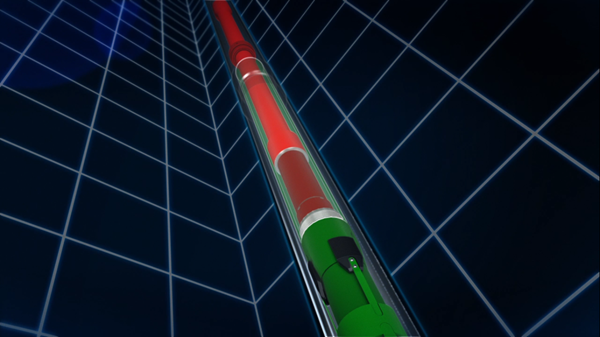
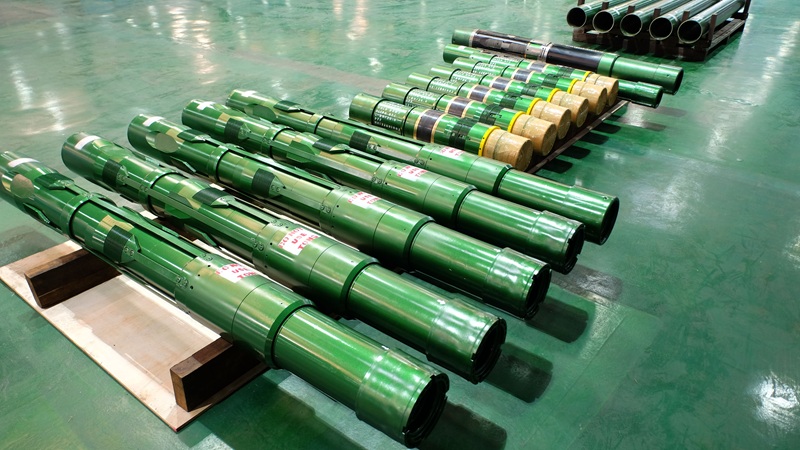
A liner hanger is a completion tool that suspends a liner from the previous casing string instead of extending the casing all the way to the surface. This approach reduces the amount of casing required while maintaining structural support for the well.
Instead of running a full casing string, you install a liner only where additional support is needed. The liner hanger anchors the liner securely inside the parent casing and transfers the load to the casing above. Once set, it provides a stable connection that allows the next stages of well completion to proceed smoothly.
Using liners offers several operational benefits:
- Lower casing and material costs
- Reduced rig time during installation
- Improved hydraulic performance
- Greater flexibility for complex well designs
- Easier management of extended-reach and deep wells
Why Choosing the Right Liner Hanger Matters
Although liner hangers may appear to perform a straightforward function, their performance directly affects the success of the completion.
An incorrectly selected hanger can lead to poor load transfer, setting difficulties, inadequate sealing, or costly remedial work. Every well has different operating conditions, which means the equipment should match the expected loads, pressure ratings, temperatures, and installation method.
Working with an experienced supplier allows you to select equipment that suits your well conditions rather than relying on a generic solution. At Saga-PCE, we help customers identify the most suitable liner hanger system based on project requirements, ensuring compatibility with the wider completion string.
The Main Types of Liner Hangers
Several liner hanger designs are available, with each serving different operating environments.
Mechanical Liner Hangers
Mechanical liner hangers are set through physical movement, typically by rotating or applying weight to the running string.
These systems have been widely used for many years because they offer a straightforward installation process in suitable well conditions. Since they do not rely on hydraulic pressure, they are often preferred where circulation systems or pressure limitations make hydraulic activation less practical.
Mechanical liner hangers are commonly selected for:
- Conventional well profiles
- Moderate well depths
- Simpler completion programs
- Operations where mechanical manipulation is practical
Their simple design can reduce operational complexity while providing dependable liner support.
Mechanical liner hangers remain the most reliable choice for conventional wells not because the technology is newer, but because their setting sequence is easier to verify at surface. In Saga-PCE’s field service data, mechanical systems have consistently shown the lowest rate of installation-related non-productive time on conventional-well deployments, provided the running string can transmit torque without excessive drag.
Hydraulic Liner Hangers
Hydraulic liner hangers are activated using internal fluid pressure rather than mechanical movement. This method allows the hanger to be set without rotating the drill string, making it particularly useful in deviated, horizontal, or highly complex wells where pipe movement is limited.
Hydraulic systems provide greater installation flexibility because the setting force can be carefully controlled throughout the operation.
They are often used for:
- Deep wells
- Horizontal wells
- High-angle applications
- Challenging drilling environments
- Operations requiring precise setting control
As modern wells become more technically demanding, hydraulic liner hangers have become an increasingly common choice.
The setting pressure of a hydraulic liner hanger must be compatible with the burst rating of the running string and any other pressure-activated equipment in the completion. Saga-PCE’s engineering team reviews the full pressure sequence before quoting, since a hydraulic hanger sized for the well profile but incompatible with drill pipe pressure limits creates a false sense of readiness at the design stage.
Comparing the Different Liner Hanger Types
| Feature | Mechanical | Hydraulic |
| Setting method | Rotation or weight | Hydraulic pressure |
| Installation complexity | Low | Moderate |
| Best suited for | Conventional wells | Complex and deviated wells |
| Pipe rotation required | Yes | No |
| Bore size preservation | Standard | Standard |
Understanding Liner Hanger Setting Mechanisms
The setting mechanism determines how the hanger anchors itself inside the casing.
Although each manufacturer has design variations, the three primary setting methods remain consistent across the industry.
Mechanical Setting
Mechanical systems rely on controlled movement from the running string. Rotation, downward weight, or a combination of both activates the slips, allowing them to grip the parent casing securely.
This method offers a proven solution where well conditions allow sufficient pipe manipulation.
Hydraulic Setting
Hydraulic systems use pumped fluid pressure to activate the hanger.
Because the running string requires little or no rotation, hydraulic systems reduce operational challenges in highly deviated wells. They also allow operators to monitor activation pressure closely throughout the installation process.
What to Look for in a Liner Hanger Supplier
Engineering Support
Pre-installation checks, dimensional verification, seal testing, and functional testing all contribute to smoother operations. Technical support during installation can also help resolve unexpected challenges.
Product Availability
Reliable delivery schedules are important for drilling programs that operate on tight timelines.
Why Compatibility Across Completion Equipment Matters
Individual completion tools rarely operate in isolation.. Even a well-designed liner hanger can encounter operational issues if surrounding equipment lacks compatibility.
That is why many operators prefer working with suppliers that understand the entire completion process rather than supplying individual products alone.
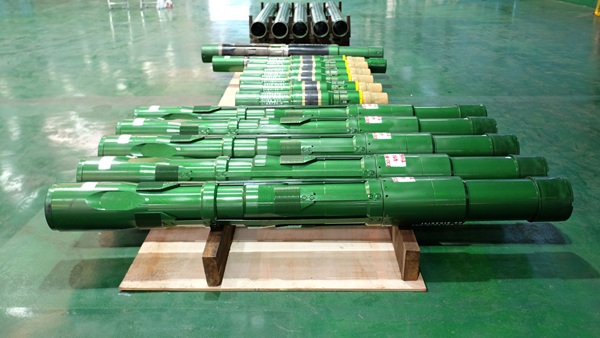
At Saga-PCE, we provide oilfield completion equipment designed to work together across demanding operating environments. Our technical team supports customers in selecting suitable solutions based on well specifications, helping minimize compatibility issues while supporting efficient installation and reliable long-term performance.
Supporting Reliable Well Completions with Saga-PCE
Every completion has a different pressure envelope, temperature profile, and running-string constraint, and liner hanger specification is where those variables converge. At Saga-PCE, our engineering team supports operators and drilling contractors from initial hanger selection through post-run analysis.